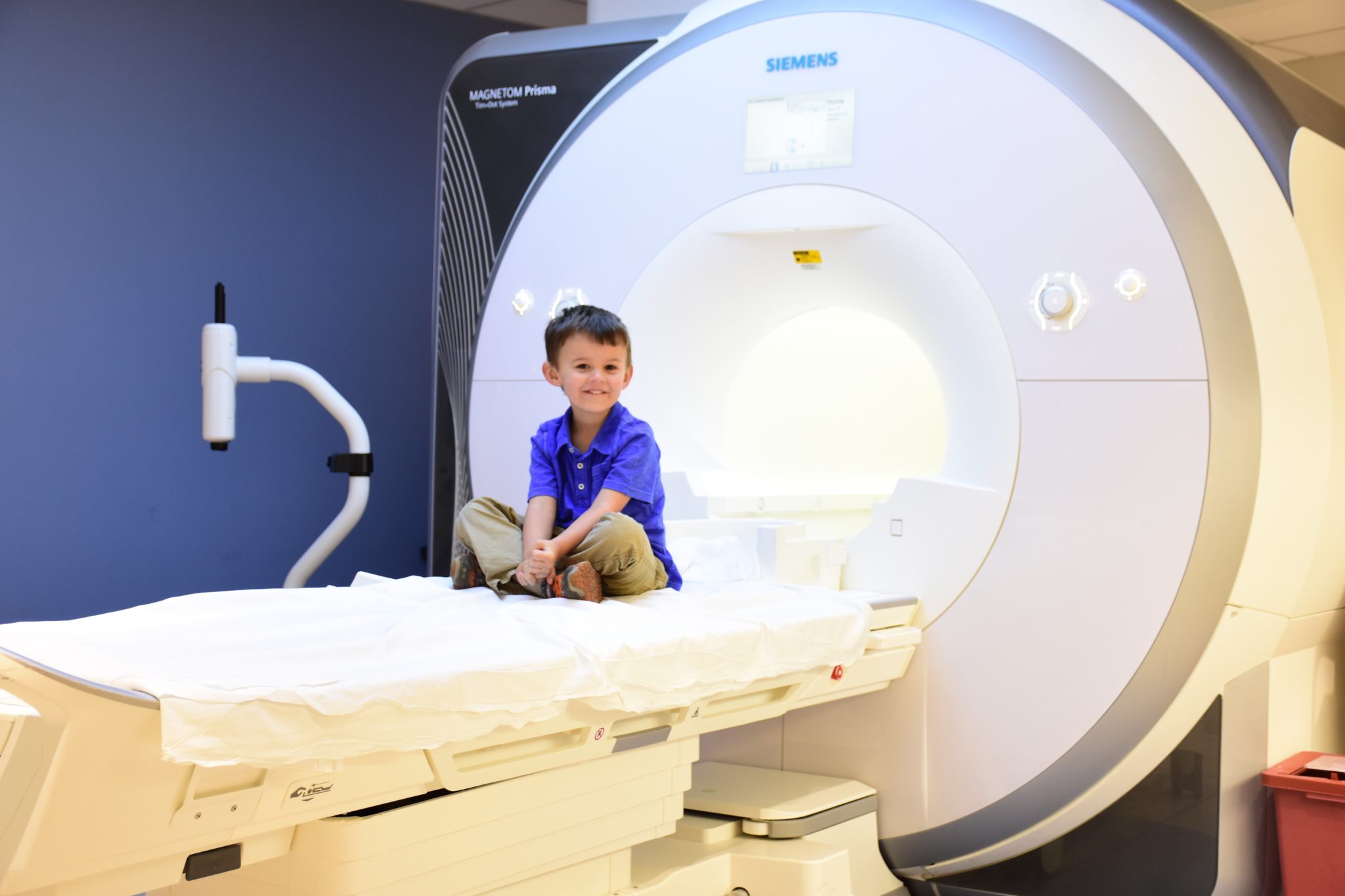
Families make this work possible. Your participation will shape the future of care and help to improve outcomes for children with craniofacial differences. Explore our featured studies or join our registry to hear about opportunities for you or your child. Enrollment changes over time, so the participant registry is the best way to tell us you are interested in current or future opportunities.
Recruiting participantsNIH Funded
Speech Imaging Study
Help us understand how anatomy shapes speech and improve assessment and treatment planning for children.
Who can joinWe are recruiting children ages 4–17 with:
Normal anatomy and no speech disorders
A history or diagnosis of cleft palate and/or velopharyngeal dysfunction (VPD).
What to expectOne study visit lasting approximately 45 minutes.
Study visit includes:
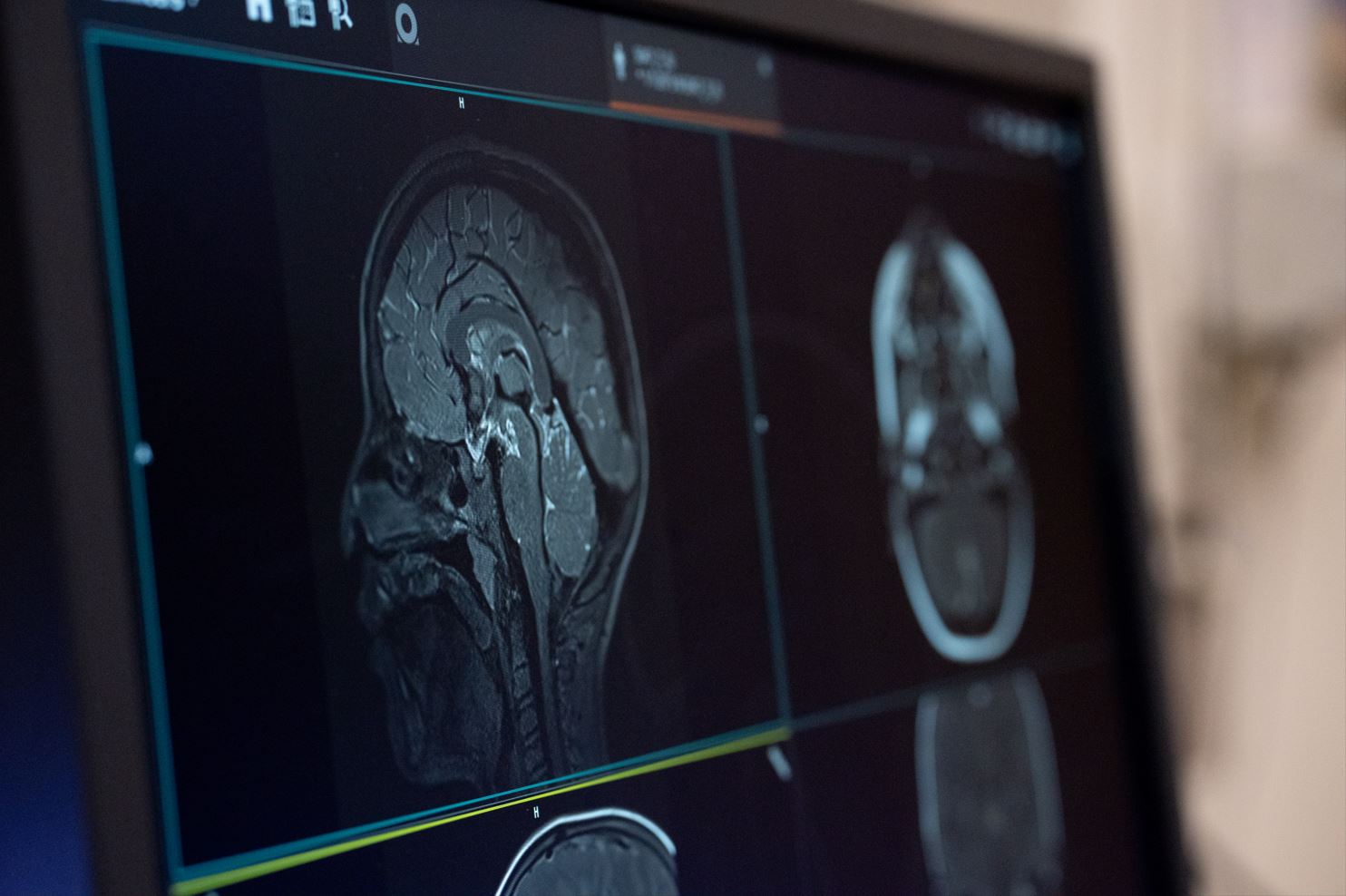
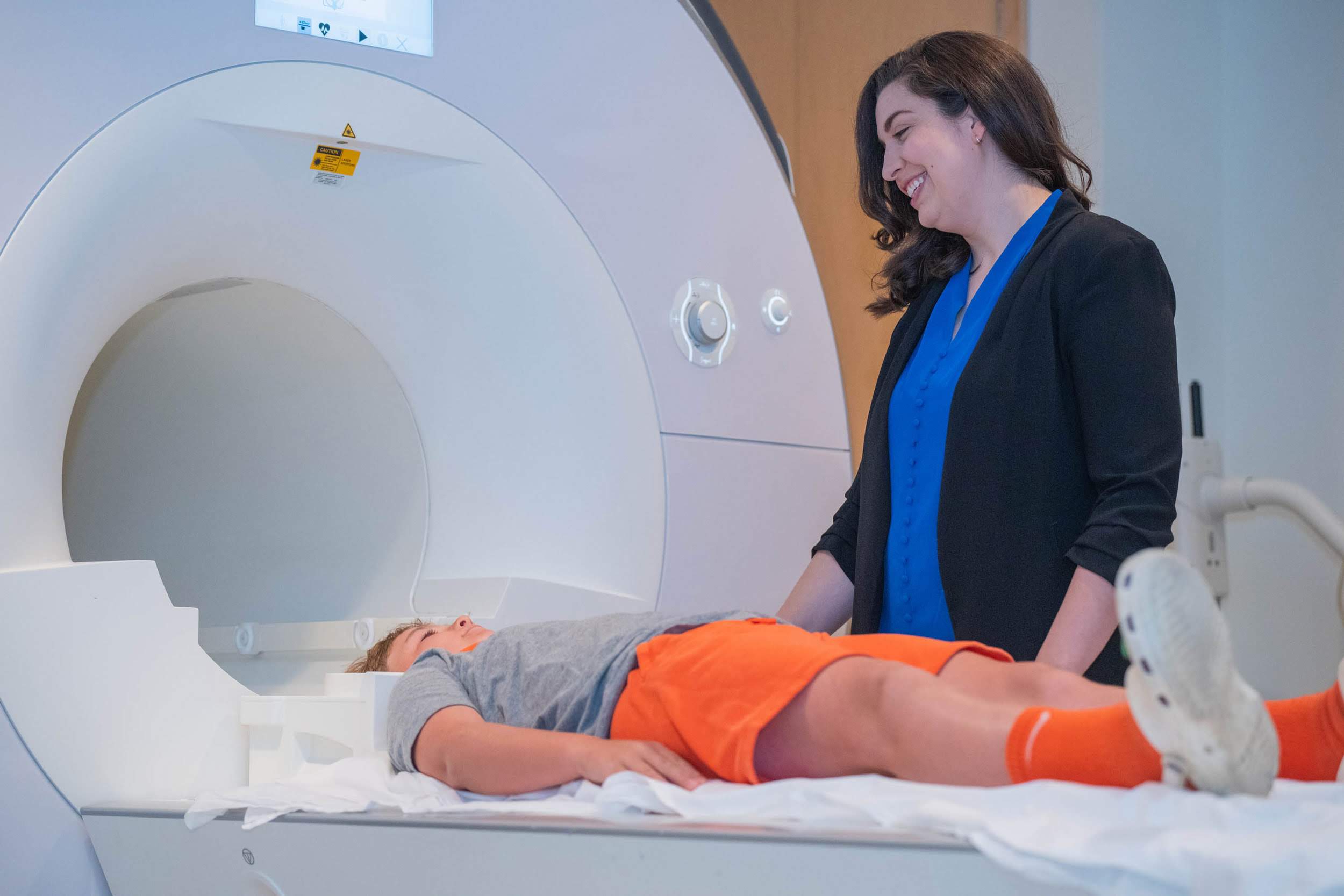
A brief MRI scan
Speech analysis
What you receiveA $100 gift card for participating.
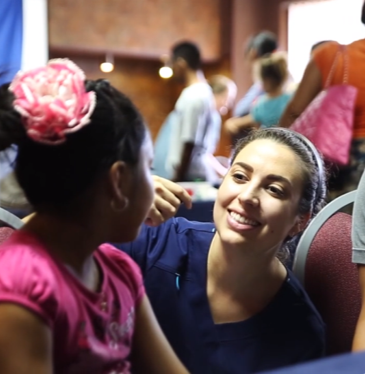
Participation is voluntaryYou can ask questions before deciding whether a study is right for you.
Eligibility variesEach study has its own age, diagnosis, and participation requirements.
Families are our partnersWe work to make research visits clear, respectful, and approachable.
If I register, what does it mean?
Joining the participant registry provides an easy way for you to learn about studies for which you or your child may be qualified. If you or your child may be a good fit for a study, the research team may contact you by phone or email so you can learn more. You decide whether to enroll in any specific study, and there is no obligation to participate.
Who can join iCO Lab studies?
Infants, children, and adults of all ages can express interest in participating, including individuals with or without disabilities or delays. We will review your interests and reach out if there is a potential study fit!
Preparing for a study visit
Know what to expect.
Our MRI Parent Information and Child Preparation Website was designed by Kazlin Mason, PhD, CCC-SLP, in collaboration with Jamie Perry, PhD, CCC-SLP. It helps children and families become familiar with an MRI scan and complete preparation activities before a research visit.